значение этимология слова СВЯЗь ДРУГ ( vr санскрит )
11-11-2019 15:28
к комментариям - к полной версии
- понравилось!

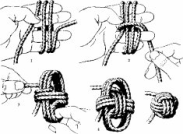
Значение полифункциональных пракорней «КР» - «ТР» - «ВР» суть - В Е Р Ч Е Н И Е !!!
Тема дня: «значение этимология слова СВЯЗь ДРУГ»
Примечания. Латинская аналогия: vortare, vertare (латин. вертеть, вращать, поворачивать; обращать; превращать, изменять). Сибиляция постспиранта -h > s: bandhati > bhantsyati [fut.].
Переклады: to bind - вязать, связывать, связать, привязать, перевязать, переплетать, скреплять, прикрутить, оковать, обязать, to rope - привязать, привязывать, связывать верёвкой, ловить лассо, to tie - связать, связывать, to attach - связывать, прикрепить, скреплять, стыковать, привязать, арестовывать, задержать, to fix - закрепить, фиксировать, to fetter - спутывать, сковывать, заковывать, to bond - скреплять, связывать, to snare - поймать в ловушку, to catch - ловить. binder - переплётчик, band - связь, связка, тесьма, поясок, binding - переплёт, обшивка, оковка, связь, крепление, bandage - связь, повязка, бинт, скрепа, rope - верёвка, нитка, снасть, вязка, канат, лассо, bond - узы, оковы, связь, соединение, tie - верёвка, бичевка, лента, шнур, шнурок, тесьма, связь, завязка, узел, соединение, catcher - ловец, уловитель, trap - силок, капкан, ловушка, западня, trapper - охотник, fetter - путы, оковы, snare - силок, ловушка, западня, friend - друг.
проводка:
▪ VRtta → VaRtati > BaNdh(n)ati ( => Ba_dhayati => Pa_zayati → Pa_za ) → BaNdhaka
▪ BaNdhati => _aNdati
примечания:
реконструкт - «*» | диарэзия - (_) - (_) | суффикс - [t] | постспирант: -h | суффикс второго ряда - [n]
лексикология:
этимология слов bandhaka ( переплётчик, связь ) - bandhana - pazа ( верёвка ) - bāndhava ( друг ) - этимон vrtta ( круг ), значение слов - vartati ( воротить равно двигать ). корень слов √ - VR, корневые изоморфемы слов - BN - P_, основы слов - BNdh - P_z.
семантика:
● *VoR(ot) ( круг в протэтике ) > VaRa, VaRtula, VRtta (санскр. circle ) → VaRtati -te (санскр. to turn, to move, to turn round, to revolve, to roll, to move gone on; to run off; to pappen, to occur; to pass away [time]; to be, to live, to stay, to exist, to abide; to become, to proceed; to act; to be performed; associate with; to be found, to continue ), VaRtti (санскр. to turn, to move ), VaRtayati (санскр. to cause to turn or revolve, to whirl, to wave, to hurl; to cause to proceed or take place or to be or to exist, to perform; to cause to pass, to pass, to live ) [ VaRet (авест. to turn ) ] > BaNdhati -te, Badhnāti (санскр. to bind, to tie, to fix, to fasten, to chain, to fetter; to bind round, to put on; to catch, to take or hold captive; to fix, to direct, to fasten, to rivet [eyes, ears or mind on]; to arrest, to hold back, to restrain, to suppress, to stop, to shut, to close; to join, to unite, to put together or produce anything in this way; [fut. bhantsyati, fut. bandhiṣyati] ), BaNdhayati, Bādhayati (санскр. to bind together, to cause to be built or constructed, to cause to bind or catch or capture, to cause to be embanked or dammed up ), Badhyati -te (санскр. to be bound; to be bound by the fetters of existence or evil, to sin againto be affected by i.e. experience, to suffer [instr.] ) → BaNdhaka (санскр. a binder, one who is employed in binding; a catcher; a violator, ravisher; a band, tie; a dam, dike; a promise, vow; exchanging, barter; pledging or a pledgebinding; binding, confinement ), BaNdha (санскр. bond, binding, fixing, tie, bridging over, bondage, mundane bondage, bundle, pak, construction or arrangement of words, ligature, knitting, combination of sounds, arrangement of musical sounds, connection or intercourse with, bundle, pack, uniting, contracting, conceiving, combining, composition, building, constructing, forming, tying, forming, attachment to this world, directing, particular mode of sexual union, any configuration or position of the body, body, putting together, directing, fetter, capture, chain, betraying, fastening, assumption, border, joining; arrest ), BaNdhana (санскр. rope, cord, tether, a bond, tie; act of binding, binding on or round, binding up, cord, binding [book], bondaging, mundane bondage, bandage, capturing, tie [also fig.], tying, bond, something bound, fixing upon, suppressing, building, construction, armour, directing towards, connection, bridging over, catching, checking, tether, confining, fastening; hurting; arrest; muscle ), BāNdhava (санскр. friend, kinsman, brother; relative, relation ), BaNdhu (санскр. friend, brother, kinsman; kinship; relative; connection, relation, association ), BaNdhutā (санскр. connection, relations ), BaNdhutva (санскр. affinity, relationship ), BaNdhujana (санскр. friend, kinsman, kinsfolk; relations ), BaNdhakartr (санскр. binder, restrainer, fetterer ), BaNdhakatva (санскр. being a fetter ), BaNdhakarana (санскр. binding, holding back, fettering ), aBaNdhu (санскр. one who does not have any brothers or kin. adj. friendless )
▪ BaNdhati (санскр. to bind, to tie, to fix, to fasten, to catch, etc. ) > *āBaNdhati, āBadhnāti (санскр. to bind or tie on, to tie to one's self; to join, to bind together, to combine, to resume; to take hold of, to seize; to adhere closely to, to be constant; to fix one's eye or mind on; to effect, to produce; to bring to light, to show ) → āBaNdha (санскр. a tie or bond; the tie of a yoke that which fastens the axle to the yoke, or the latter to the plough; ornament, decoration ), āBaNdhana (санскр. tying or binding on or round ) | > anuBaNdhati (санскр. to attach, to tie; to bind [by an obligation]; to stick, to adhere, to follow, to endure; to be followed by ) → anuBaNdha (санскр. binding, tie, attachment, connection, connecting link, continuance, flow, continuity, course, time, motive, cause, indicatory letter or syllable attached to roots, part, design, result, intention ), anuBaNdhana (санскр. binding, connection, unbroken series, annexation, succession, annex ) | > abhisamBaNdhnati (санскр. to belong to, to refer to ) | > apiBaNdhnati (санскр. to fasten upon, to put on [a wreath] ) | > avaBaNdhnati (санскр. to tie, to tether ) → avaBaNdha (санскр. palsy ) | > *niBaNdhati, niBadhnāti (санскр. to bind on, to tie, fasten to; to enchain, to fetter [lit. and fig.]; to contract, to unite, to join, to close, to obstruct; to compose, to draw up, to write down; to catch, to win, to acquire; to hold fast, to restrain, to check; to put or fix upon [foot, eye &c. i.e. undertake, begin, with]; to fix, to place, to locate; to show, to exhibit ), niBadhyate (санскр. to be bound ) → niBaNddhr (санскр. binder ), niBaNdhana (санскр. binding, fettering; suqort, stay; band, bond, fetter ), niBaNdha (санскр. bondage; fetter, obstruction; tying, fastering, binding on ), niBaNdhanī (санскр. fetter, bond, band ) | > *nirBaNdhati, nirBadhnāti (санскр. to fix or fasten upon, to attach one's self to, to insist upon, to persist in, to urge ) → nirBaNdha (санскр. objection; insisting upon ) | > pariBaNdhnite (санскр. to tie to, to bind on, to put on; to surround, to encircle ), pariBaNdhayati (санскр. to tie round, to span, to embrace ) → pariBaNdha (санскр. boundary, bound ), pariBaNdhana (санскр. tying round ) | > praBaNdhnati (санскр. to bind on, to hinder, to check, to fasten ) → praBaNdha (санскр. band, connection; management; tie; composition; literary work; continuous series ), praBaNdhaka (санскр. manager ), praBaNddhr (санскр. one who connects together, composer, author, interpreter ), praBaNdhana (санскр. binding, tie, connection, fettering, bond ) | > *pratiBaNdhati, pratiBadhnāti (санскр. to tie to, to fasten, to fix, to moor [anything of one's own]; to set, to enchase; to exclude, to cut off; to keep back or off, to keep at a distance; to stop, to interrupt ) → pratiBaNdha (санскр. interrupt, condition, uninterruptedness, resistance, connection, stoppage, opposition, support ), pratiBaNdhana (санскр. binding; obstruction, confinement ), pratiBaNddhr (санскр. obstructor, hinderer, preventer ) | > *samBaNdhati, samBadhnāti (санскр. to bind or fasten or tie together, to bind or fix on, to attach, to connect, to join, to construct, to form; to procure, to furnish, to supply ), samBaNdhayati (санскр. to cause to bind or be bound together &c.; to cause to connect with or refer to ), samBadhyate (санскр. to be
bound or fastened together &c.; to be connected with or supplied, to belong to ) → samBaNdhayitr (санскр. adj. one who connects or puts together ), samBaNdha (санскр. tie; friend; friendship, fellowship; collection; book; binding or joining together; sexual union; association, connection, concern, affinity; kinsman; relation, relationship, connection by birth or marriage ), samBaNdhitva (санскр. relation to or connection with, kinship, relationship ), samBaNdhitā (санскр. relation to, relationship, conecting with, conection by marriage ), samBaNdhaka (санскр. friend; friendship; relation; connection by birth or marriage; kind of alliance proceeding from relationship ), samBaNdhin, samBaNdhi, samBaNdhu (санскр. kinsman, relative ) | > udBaNdhati (санскр. to tie up, to hang one's self ) → udBaNdha (санскр. hanging one's self, united, loosened ) | > *upaBaNdhati, upaBadhati (санскр. to tie up, to fasten ) → upaBaNdha (санскр. union, connexion; tie, bond, rope; quotation; application, employment, use [of a word &c.); a particular manner of sitting; an affix ) | > *viBaNdhati, viBadhnāti (санскр. to bind or fasten on different sides, to stretch out, to extend; to seize or hold by [instr.]; to obstruct [faeces] ) → viBaNdha (санскр. circular bandage, encircling, constipation, encompassing, obstruction, remedy for promoting obstruction ), viBaNdhana (санскр. act of fastening or binding on both sides )
▪ BaNdhati (санскр. to bind, to tie, etc. ) => BuNdhayati (санскр. to bind )
▪ Bādhayati (санскр. to bind together, to cause to be built or constructed, to cause to bind or catch or capture, to cause to be embanked or dammed up ) => Pāzayati (санскр. to bind, to fasten ) → Pāza (санскр. rope, fetter, net, cord, tie, bond, snare, noose, trap, chain ), Pāzyā (санскр. net, multitude of nooses or ropes ), Pāzī (санскр. rope, fetter ), Pāzaka (санскр. trap, snare, noose, die ), Pāzika (санскр. one who snares animals, bird-catcher ), Pāzin (санскр. trapper, bird-catcher ), bandhaPāza (санскр. fetter, bond ), Pāzarajju (санскр. fetter, rope ), Pāzabandhana (санскр. fetter, snare ), Pāzabandha (санскр. net ), Pāzabandhaka (санскр. bird-catcher )
▪ Pāzayati (санскр. to bind, to fasten ) => Pāsayati (санскр. to bind ) | => Paṣati (санскр. to bind, to hinder; to go ) | => sPazati (санскр. to bind, to hinder, to fetter, to stop )
▪ Pāzayati (санскр. to bind, to fasten ) > viPāzayati (санскр. to unbind, to loose ) → viPāza (санскр. bondage, tie ), viPāzana (санскр. unfettering, unbinding )
▪ BaNdhati (санскр. to bind, to tie, to fix, to fasten, to catch, etc. ) => aNdati, aNtati (санскр. to bind )
▪ BaNdhati (санскр. to bind, to tie, to fix, etc. ) > nirBhādhate (санскр. to keep off, to ward off ) | > pariBhādhate (санскр. to ward or keep off, to exclude from, to protect or defend against; to vex, to molest, to annoy ) | > pratiBhādhate (санскр. to beat back, to ward off, to repel; to check, to restrain; to pain, to torment, to vex )
▪ VaRtati (санскр. to turn, etc. ) > Bhujati (санскр. to bend, to curve ), Bhujyate (санскр. to be bent down )
▪ VaRtati (санскр. to move, to turn, etc. ) => PaNdate (санскр. to go, to move ) => PaNthati (санскр. to go; to move ), PaNthayati (санскр. to go; to move )
фоно-семантика:
VR > VR[t] > BN[dh][n] > _N[d/t] / > B_[dh][n] > P_[z]
© С.В.Ю. © «Вокруг Слова» «Круговая Лингво-Концепция»
[тэг] значение этимология слова СВЯЗь ДРУГ ( санскрит / sanskrit )

вверх^
к полной версии
понравилось!
в evernote
Значение полифункциональных пракорней «КР» - «ТР» - «ВР» суть - В Е Р Ч Е Н И Е !!!
Тема дня: «значение этимология слова СВЯЗь ДРУГ»
Примечания. Латинская аналогия: vortare, vertare (латин. вертеть, вращать, поворачивать; обращать; превращать, изменять). Сибиляция постспиранта -h > s: bandhati > bhantsyati [fut.].
Переклады: to bind - вязать, связывать, связать, привязать, перевязать, переплетать, скреплять, прикрутить, оковать, обязать, to rope - привязать, привязывать, связывать верёвкой, ловить лассо, to tie - связать, связывать, to attach - связывать, прикрепить, скреплять, стыковать, привязать, арестовывать, задержать, to fix - закрепить, фиксировать, to fetter - спутывать, сковывать, заковывать, to bond - скреплять, связывать, to snare - поймать в ловушку, to catch - ловить. binder - переплётчик, band - связь, связка, тесьма, поясок, binding - переплёт, обшивка, оковка, связь, крепление, bandage - связь, повязка, бинт, скрепа, rope - верёвка, нитка, снасть, вязка, канат, лассо, bond - узы, оковы, связь, соединение, tie - верёвка, бичевка, лента, шнур, шнурок, тесьма, связь, завязка, узел, соединение, catcher - ловец, уловитель, trap - силок, капкан, ловушка, западня, trapper - охотник, fetter - путы, оковы, snare - силок, ловушка, западня, friend - друг.
проводка:
▪ VRtta → VaRtati > BaNdh(n)ati ( => Ba_dhayati => Pa_zayati → Pa_za ) → BaNdhaka
▪ BaNdhati => _aNdati
примечания:
реконструкт - «*» | диарэзия - (_) - (_) | суффикс - [t] | постспирант: -h | суффикс второго ряда - [n]
лексикология:
этимология слов bandhaka ( переплётчик, связь ) - bandhana - pazа ( верёвка ) - bāndhava ( друг ) - этимон vrtta ( круг ), значение слов - vartati ( воротить равно двигать ). корень слов √ - VR, корневые изоморфемы слов - BN - P_, основы слов - BNdh - P_z.
семантика:
● *VoR(ot) ( круг в протэтике ) > VaRa, VaRtula, VRtta (санскр. circle ) → VaRtati -te (санскр. to turn, to move, to turn round, to revolve, to roll, to move gone on; to run off; to pappen, to occur; to pass away [time]; to be, to live, to stay, to exist, to abide; to become, to proceed; to act; to be performed; associate with; to be found, to continue ), VaRtti (санскр. to turn, to move ), VaRtayati (санскр. to cause to turn or revolve, to whirl, to wave, to hurl; to cause to proceed or take place or to be or to exist, to perform; to cause to pass, to pass, to live ) [ VaRet (авест. to turn ) ] > BaNdhati -te, Badhnāti (санскр. to bind, to tie, to fix, to fasten, to chain, to fetter; to bind round, to put on; to catch, to take or hold captive; to fix, to direct, to fasten, to rivet [eyes, ears or mind on]; to arrest, to hold back, to restrain, to suppress, to stop, to shut, to close; to join, to unite, to put together or produce anything in this way; [fut. bhantsyati, fut. bandhiṣyati] ), BaNdhayati, Bādhayati (санскр. to bind together, to cause to be built or constructed, to cause to bind or catch or capture, to cause to be embanked or dammed up ), Badhyati -te (санскр. to be bound; to be bound by the fetters of existence or evil, to sin againto be affected by i.e. experience, to suffer [instr.] ) → BaNdhaka (санскр. a binder, one who is employed in binding; a catcher; a violator, ravisher; a band, tie; a dam, dike; a promise, vow; exchanging, barter; pledging or a pledgebinding; binding, confinement ), BaNdha (санскр. bond, binding, fixing, tie, bridging over, bondage, mundane bondage, bundle, pak, construction or arrangement of words, ligature, knitting, combination of sounds, arrangement of musical sounds, connection or intercourse with, bundle, pack, uniting, contracting, conceiving, combining, composition, building, constructing, forming, tying, forming, attachment to this world, directing, particular mode of sexual union, any configuration or position of the body, body, putting together, directing, fetter, capture, chain, betraying, fastening, assumption, border, joining; arrest ), BaNdhana (санскр. rope, cord, tether, a bond, tie; act of binding, binding on or round, binding up, cord, binding [book], bondaging, mundane bondage, bandage, capturing, tie [also fig.], tying, bond, something bound, fixing upon, suppressing, building, construction, armour, directing towards, connection, bridging over, catching, checking, tether, confining, fastening; hurting; arrest; muscle ), BāNdhava (санскр. friend, kinsman, brother; relative, relation ), BaNdhu (санскр. friend, brother, kinsman; kinship; relative; connection, relation, association ), BaNdhutā (санскр. connection, relations ), BaNdhutva (санскр. affinity, relationship ), BaNdhujana (санскр. friend, kinsman, kinsfolk; relations ), BaNdhakartr (санскр. binder, restrainer, fetterer ), BaNdhakatva (санскр. being a fetter ), BaNdhakarana (санскр. binding, holding back, fettering ), aBaNdhu (санскр. one who does not have any brothers or kin. adj. friendless )
▪ BaNdhati (санскр. to bind, to tie, to fix, to fasten, to catch, etc. ) > *āBaNdhati, āBadhnāti (санскр. to bind or tie on, to tie to one's self; to join, to bind together, to combine, to resume; to take hold of, to seize; to adhere closely to, to be constant; to fix one's eye or mind on; to effect, to produce; to bring to light, to show ) → āBaNdha (санскр. a tie or bond; the tie of a yoke that which fastens the axle to the yoke, or the latter to the plough; ornament, decoration ), āBaNdhana (санскр. tying or binding on or round ) | > anuBaNdhati (санскр. to attach, to tie; to bind [by an obligation]; to stick, to adhere, to follow, to endure; to be followed by ) → anuBaNdha (санскр. binding, tie, attachment, connection, connecting link, continuance, flow, continuity, course, time, motive, cause, indicatory letter or syllable attached to roots, part, design, result, intention ), anuBaNdhana (санскр. binding, connection, unbroken series, annexation, succession, annex ) | > abhisamBaNdhnati (санскр. to belong to, to refer to ) | > apiBaNdhnati (санскр. to fasten upon, to put on [a wreath] ) | > avaBaNdhnati (санскр. to tie, to tether ) → avaBaNdha (санскр. palsy ) | > *niBaNdhati, niBadhnāti (санскр. to bind on, to tie, fasten to; to enchain, to fetter [lit. and fig.]; to contract, to unite, to join, to close, to obstruct; to compose, to draw up, to write down; to catch, to win, to acquire; to hold fast, to restrain, to check; to put or fix upon [foot, eye &c. i.e. undertake, begin, with]; to fix, to place, to locate; to show, to exhibit ), niBadhyate (санскр. to be bound ) → niBaNddhr (санскр. binder ), niBaNdhana (санскр. binding, fettering; suqort, stay; band, bond, fetter ), niBaNdha (санскр. bondage; fetter, obstruction; tying, fastering, binding on ), niBaNdhanī (санскр. fetter, bond, band ) | > *nirBaNdhati, nirBadhnāti (санскр. to fix or fasten upon, to attach one's self to, to insist upon, to persist in, to urge ) → nirBaNdha (санскр. objection; insisting upon ) | > pariBaNdhnite (санскр. to tie to, to bind on, to put on; to surround, to encircle ), pariBaNdhayati (санскр. to tie round, to span, to embrace ) → pariBaNdha (санскр. boundary, bound ), pariBaNdhana (санскр. tying round ) | > praBaNdhnati (санскр. to bind on, to hinder, to check, to fasten ) → praBaNdha (санскр. band, connection; management; tie; composition; literary work; continuous series ), praBaNdhaka (санскр. manager ), praBaNddhr (санскр. one who connects together, composer, author, interpreter ), praBaNdhana (санскр. binding, tie, connection, fettering, bond ) | > *pratiBaNdhati, pratiBadhnāti (санскр. to tie to, to fasten, to fix, to moor [anything of one's own]; to set, to enchase; to exclude, to cut off; to keep back or off, to keep at a distance; to stop, to interrupt ) → pratiBaNdha (санскр. interrupt, condition, uninterruptedness, resistance, connection, stoppage, opposition, support ), pratiBaNdhana (санскр. binding; obstruction, confinement ), pratiBaNddhr (санскр. obstructor, hinderer, preventer ) | > *samBaNdhati, samBadhnāti (санскр. to bind or fasten or tie together, to bind or fix on, to attach, to connect, to join, to construct, to form; to procure, to furnish, to supply ), samBaNdhayati (санскр. to cause to bind or be bound together &c.; to cause to connect with or refer to ), samBadhyate (санскр. to be
bound or fastened together &c.; to be connected with or supplied, to belong to ) → samBaNdhayitr (санскр. adj. one who connects or puts together ), samBaNdha (санскр. tie; friend; friendship, fellowship; collection; book; binding or joining together; sexual union; association, connection, concern, affinity; kinsman; relation, relationship, connection by birth or marriage ), samBaNdhitva (санскр. relation to or connection with, kinship, relationship ), samBaNdhitā (санскр. relation to, relationship, conecting with, conection by marriage ), samBaNdhaka (санскр. friend; friendship; relation; connection by birth or marriage; kind of alliance proceeding from relationship ), samBaNdhin, samBaNdhi, samBaNdhu (санскр. kinsman, relative ) | > udBaNdhati (санскр. to tie up, to hang one's self ) → udBaNdha (санскр. hanging one's self, united, loosened ) | > *upaBaNdhati, upaBadhati (санскр. to tie up, to fasten ) → upaBaNdha (санскр. union, connexion; tie, bond, rope; quotation; application, employment, use [of a word &c.); a particular manner of sitting; an affix ) | > *viBaNdhati, viBadhnāti (санскр. to bind or fasten on different sides, to stretch out, to extend; to seize or hold by [instr.]; to obstruct [faeces] ) → viBaNdha (санскр. circular bandage, encircling, constipation, encompassing, obstruction, remedy for promoting obstruction ), viBaNdhana (санскр. act of fastening or binding on both sides )
▪ BaNdhati (санскр. to bind, to tie, etc. ) => BuNdhayati (санскр. to bind )
▪ Bādhayati (санскр. to bind together, to cause to be built or constructed, to cause to bind or catch or capture, to cause to be embanked or dammed up ) => Pāzayati (санскр. to bind, to fasten ) → Pāza (санскр. rope, fetter, net, cord, tie, bond, snare, noose, trap, chain ), Pāzyā (санскр. net, multitude of nooses or ropes ), Pāzī (санскр. rope, fetter ), Pāzaka (санскр. trap, snare, noose, die ), Pāzika (санскр. one who snares animals, bird-catcher ), Pāzin (санскр. trapper, bird-catcher ), bandhaPāza (санскр. fetter, bond ), Pāzarajju (санскр. fetter, rope ), Pāzabandhana (санскр. fetter, snare ), Pāzabandha (санскр. net ), Pāzabandhaka (санскр. bird-catcher )
▪ Pāzayati (санскр. to bind, to fasten ) => Pāsayati (санскр. to bind ) | => Paṣati (санскр. to bind, to hinder; to go ) | => sPazati (санскр. to bind, to hinder, to fetter, to stop )
▪ Pāzayati (санскр. to bind, to fasten ) > viPāzayati (санскр. to unbind, to loose ) → viPāza (санскр. bondage, tie ), viPāzana (санскр. unfettering, unbinding )
▪ BaNdhati (санскр. to bind, to tie, to fix, to fasten, to catch, etc. ) => aNdati, aNtati (санскр. to bind )
▪ BaNdhati (санскр. to bind, to tie, to fix, etc. ) > nirBhādhate (санскр. to keep off, to ward off ) | > pariBhādhate (санскр. to ward or keep off, to exclude from, to protect or defend against; to vex, to molest, to annoy ) | > pratiBhādhate (санскр. to beat back, to ward off, to repel; to check, to restrain; to pain, to torment, to vex )
▪ VaRtati (санскр. to turn, etc. ) > Bhujati (санскр. to bend, to curve ), Bhujyate (санскр. to be bent down )
▪ VaRtati (санскр. to move, to turn, etc. ) => PaNdate (санскр. to go, to move ) => PaNthati (санскр. to go; to move ), PaNthayati (санскр. to go; to move )
фоно-семантика:
VR > VR[t] > BN[dh][n] > _N[d/t] / > B_[dh][n] > P_[z]
© С.В.Ю. © «Вокруг Слова» «Круговая Лингво-Концепция»
[тэг] значение этимология слова СВЯЗь ДРУГ ( санскрит / sanskrit )

Вы сейчас не можете прокомментировать это сообщение.
Дневник значение этимология слова СВЯЗь ДРУГ ( vr санскрит ) | oprichnik46 - Дневник oprichnik46 |
Лента друзей oprichnik46
/ Полная версия
Добавить в друзья
Страницы:
раньше»