http://www.orderofmalta.int/history/639/history-order-of-malta/?lang=en
960 years of history1048 Jerusalem
The constitution of the Kingdom of Jerusalem obliged the Order to take on the military defence of the sick and the pilgrims, as well as guarding its medical centres and main roads. The Order thus added the task of defending the faith to that of its hospitaller mission. As time went on, the Order adopted the white eight-pointed cross that is still its symbol today. 1291 CyprusAfter the fall of Saint John of Acre and the loss of the Holy Land in 1291, the Hospitaller Order of St John transferred its seat and hospital to Limassol on the island of Cyprus, where it had been present since 1210 thanks to the concession of important properties, privileges and commercial rights. It continued to build new hospitals faithful to its hospitaller mission, and benefitted from the strategic position of the Island to constitute a naval fleet to protect pilgrims on the sea route to the Holy Land. The number of members coming from all over Europe continued to grow and contributed to the strengthening of the Order’s structure, acquiring new possessions on the Mediterranean shore. Amongst these were the important port of Famagusta, the city of Nicosia and numerous Commanderies. Due to the consequences of increasing instability in Cyprus, which resulted in restricting their expansion on the island, the Hospitallers sought to consider a more suitable base for the seat of the Order of St John on the Island of Rhodes. Nevertheless, Magistral Lieutenants remained present in Cyprus to govern the Priories and Commanderies (said to have been over sixty by 1374) for another century until the middle of the fifteen century, when the Knights were recalled to the Conventual Seat in Rhodes. 1310 Rhodes
The Order’s independence from other nations granted by Pontifical deed, and its universally recognised right to maintain and deploy armed forces and to appoint ambassadors, has constituted the grounds for its international sovereignty. The Order was governed by its Grand Master (Prince of Rhodes) together with the Council, it minted its own money and maintained diplomatic relations with other states. The senior positions of the Order were given to representatives of different Langues. The seat of the Order, the Convent, was composed of religious members of various nationalities. After six months of siege and fierce combat against the fleet and army of Sultan Suleiman the Magnificent, the knights were forced to surrender in 1523 and left Rhodes with military honours. 1530 Malta
In 1565 the knights, led by Grand Master Fra’ Jean de la Vallette defended the island for more than three months during the Great Siege of the Ottomans. 1571 The Battle of LepantoIn 1571 the fleet of the Order of Malta took part in the Battle of Lepanto, contributing to the victory of the Christian fleet against the Ottoman Empire’s expansion into Europe. 1798 Difficult yearsTwo hundred years later, during his Egyptian campaign in 1798, Napoleon Bonaparte occupied Malta for its strategic value. Because of the Order’s code prohibiting them from raising weapons against other Christians, the knights were forced to leave their island. The Treaty of Amiens, signed in 1802, which established the sovereign rights of the Order over the island of Malta, was never applied. 1834 RomeAfter having temporarily resided in Messina, Catania and Ferrara, in 1834 the Order settled definitively in Rome, where it owns, with extraterritorial status, the Magistral Palace and the Magistral Villa on the Aventine Hill. The 20th and 21st Centuries
Under the Grand Masters Fra’ Angelo de Mojana di Cologna (1962-1988) and Fra’ Andrew Bertie (1988-2008), the projects expanded until they reached the furthermost regions of the world. To discover more about the current activities of the Order, please visit the Medical and humanitarian activities section of this web site. |

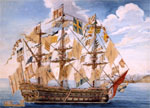 Under the leadership of Grand Master Fra’ Foulques de Villaret, in 1307, the Knights of the Order of St. John landed with their fleet in Rhodes, completing the acquisition of the island by 1310 when it transferred its seat there. Besides offering natural ports for its fleets, the island was a strategic location that linked the eastern and western worlds.
 In the second part of the 19th century, the original hospitaller mission became once again the main focus of the Order, growing ever stronger during the last century, most especially because of the contribution of the activities carried out by its Grand Priories and National Associations in so many countries around the world. Large-scale hospitaller and charitable activities were carried out during World War I, and World War II under Grand Master Fra’ Ludovico Chigi Albani della Rovere (1931-1951).
Mission | Government | FAQ | News 2015 | Medical and humanitarian activities
Diplomatic relations | History | Order of Malta around the world | Stamps | Site Map | Contact Us
История ордена960 лет истории1048 Иерусалим Рождение Ордена восходит примерно к 1048. Купцы древней Морской Республики Амальфи получили от халифа Египта разрешение на строительство церкви, женского монастыря и больницы в Иерусалиме, чтобы оказывать помощь паломникам и странникам любой расы и вероисповедания. Иерусалимский Орден Св. Иоанна – монашеская община, которая держала больницу – стал независимым под управлением основателя Ордена, Блаженного Жерара. Своей Буллой от 15 февраля 1113 Папа Паскаль II одобрил основание больницы, взял ее под опеку Церкви и дал право свободного выбора ее руководителей, без вмешательства светских или церковных властей. На основании Папской Буллы больница становится Орденом, не зависимым от Церкви. Все Рыцари Ордена были монахами, связанными монашескими обетами бедности, целомудрия и послушания. Разрастание Иерусалимского Королевства вынудило Орден взять на себя обязанности военной защиты больных, паломников и основных дорог Королевства. К своей миссии госпитальеров Орден добавил задачу военной защиты веры. Со временем Орден сделал белый восьмиконечный крест своим символом, и этот крест является символом Ордена по сей день. 1291 Кипр После падения цитадели Святого Иоанна Акрского и потери Святой Земли в 1291 году, Орден Госпитальеров переместил свое месторасположение и госпиталь в Лимассол на острове Кипр, где уже присутствовал с 1210 года получив в пользование важные объекты собственности, привилегии и права на торговлю. Оставаясь верным миссии госпитальеров Орден продолжил строить госпитали, а благодаря стратегически удачному расположению острова, был успешно создан флот для защиты паломников на морском пути к Святой Земле. Число членов Ордена, приезжавших со всей Европы, продолжало расти, что послужило укреплению структуры Ордена, а также приобретению новых владений на берегу Средиземного моря. Среди них были важный порт Фамагуста, город Никосия и бесчисленные Коммандорства. Из-за возрастающей нестабильности на Кипре, которая вылилась в ограничение экспансии на острове, Госпитальерам пришлось искать более подходящую базу для штаб-квартиры Ордена Святого Иоанна на острове Родос. Тем не менее, Магистральные Лейтенанты продолжали присутствовать на Кипре, чтобы управлять Приоратами и Коммандорствами (по оценкам, к 1374 году их было более 60) на протяжении еще одного столетия до 1421 года, когда Рыцари были отозваны в Монастырское месторасположение правительства Ордена на остров Родос. 1310 – Родос
Под предводительством Великого Магистра Фра Фулке де Вилларета (Fra’ Foulques de Villaret), в 1307 году, Рыцари Ордена Св. Иоанна пришли со своей флотилией на Родос, завершив приобретение земель острова к 1310 году, когда туда переместили правление Ордена. Помимо того, что на острове были естественные порты для флота Ордена, Родос имел стратегически важное расположение, которое являлось пересечением восточного и западного морских путей. В то время защита христианского мира требовала организации военно-морских сил, поэтому Орден построил мощный флот, который ходил по восточному Средиземноморью и участвовал во многих известных сражениях. Независимость от других государств, дарованная Понтификом, и всеми признанное право Ордена формировать и применять военные силы и назначать Послов заложили основы его международного суверенитета. В начале 14 века организации Ордена и Рыцари, прибывшие на Родос из различных уголков Европы, стали объединяться в группы по языковому принципу. Сначала было семь таких групп-Лангов: Прованс, Овернь, Франция, Италия, Арагона (Наварра), Англия (с Шотландией и Ирландией) и Германия. В 1462 от Ланга Арагоны отделились Кастилья и Португалия и составили восьмой Ланг. У каждого Ланга были большие или малые монастыри, свои бейлифы и командоры. Орденом управляли Великий Магистр (Князь Родоса) и Совет; он чеканил свои монеты и устанавливал дипломатические отношения с другими государствами. На высшие посты Ордена назначались представители различных Лангов. Правительство Ордена, Конвент, состоял из рыцарей-монахов разных национальностей. После шестимесячной осады и жестокого сражения с флотом и армией султана Сулеймана Великолепного Рыцари были вынуждены сдаться. Они покинули остров с военными почестями. 1530 – Мальта Орден оставался без своей территории до 1530, когда Великий Магистр Фра Филиппе де Вилье де л’Айл Адам (Fra’ Philippe de Villiers de l’Isle Adam) получил от императора Карла V с одобрения Папы Климента VII остров Мальта. Было решено, что Орден будет сохранять нейтралитет в любой войне между христианскими государствами. В 1565 Рыцари под руководством Великого Магистра Фра Жан де ла Валетта (Fra’ Jean de la Vallette, в его честь позднее была названа столица Мальты) больше трех месяцев защищали остров во время Великой осады турок. После этой победы были построены город и порт Ла-Валетта, получившие имя в честь Великого Магистра, который их основал. Рыцари изменили облик Мальты, осуществляя строительство городских объектов: были построены дворцы и церкви, новые грандиозные оборонные бастионы, а также разбиты сады. В то время процветали как архитектура, так и художественное покровительство. На острове появился новый большой госпиталь, который считался одним из лучших в мире по организации и эффективности. Была основана анатомическая школа, а позже построен медицинский факультет. Особенно ценный вклад Орден внес в развитие офтальмологии и фармакологии. Помимо прочего, на протяжении столетий флот Мальтийского Ордена принимал участие в наиболее важных морских сражениях Средиземноморья против Османского флота и пиратов Северной Африки. 1571 – Лепантское сражение В 1571 году флот Ордена принял участие в Битве под Лепанто, сыграв важную роль в победе христианского флота против экспансии Османской Империи в Европу. 1798 – Изгнание Двумя веками позже, во время Египетской кампании в 1798 году, Наполеон Бонапарт оккупировал остров Мальта из-за его стратегической ценности. Из-за правила Ордена, запрещающего поднимать оружие против христиан, Рыцари были вынуждены покинуть Мальту. Амьенский Договор, подписанный в 1802 году, который устанавливал суверенные права Ордена на остров Мальту, так и не был применен. 1834 – Рим После временного пребывания в Мессине, Катании и Ферраре, Орден окончательно обосновывается в Риме, где на правах экстерриториальной собственности ему принадлежит Магистральный Дворец на Виа Кондотти 68 и Магистральная Вилла на холме Авентино. 20-й и 21-й века
Во второй половине 19 века изначальная миссия Ордена госпитальеров вновь главенствует в его деятельности, которая значительно расширилась за последнее столетие благодаря работе, проводимой Великими Приоратами и Национальными Ассоциациями во многих странах мира. Крупномасштабные операции по оказанию медицинской и благотворительной помощи во время I и II Мировых Войн осуществлялись под руководством Великого Магистра Фра Людовико Чиги Албани делла Ровере (Fra’ Ludovico Chigi Albani della Rovere, 1931-1951) . При Великих Магистрах Фра Анжело де Мояна ди Колонья (Fra’ Angelo de Mojana di Cologna, 1962-1988) и Фра Эндрю Берти (Fra’ Andrew Bertie, 1988-2008) неизменно возросло количество проектов, которые теперь достигли самых отдаленных регионов планеты. |