Без заголовка
26-09-2015 16:53
Это цитата сообщения Ирина_Зелёная Оригинальное сообщение
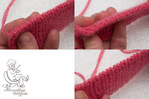
Как красиво закрыть петли на горловине, чтобы получился круглый край
 [показать]
Это цитата сообщения Ирина_Зелёная Оригинальное сообщение
Как красиво закрыть петли на горловине, чтобы получился круглый край
Данный прием закрытия петель иглой используется в любом вязании, машинном или ручном. Это не принципиально. Если резинка связана на машине, то лучше всего снять открытые петли на спицу подходящего размера. Если резинка связана вручную, то просто вооружаемся иголкой с тупым концом и пряжей для сшивания.
[показать]
Без заголовка
12-08-2015 23:38
Это цитата сообщения икви Оригинальное сообщение
"Hortensia"
[показать]
описание: потребуется пряжа Summerlite 4Ply: 8, 9, 10, 11, 12 - мотков по 50 г. Спицы №2.5, и №3
Размеры: S - M - L - XL - XXl, обхват груди : 81-86, 91-97, 102-107, 112-117, 122-127 см
Плотность вязания 28 п. и 36 р. +10 *10 см, узор в слегка растянутом виде спицами №3.
Примечание по выполнению узора: При вязании ажурным узором учесть, что каждой убавленной петле должна соответствовать прибавленная петля. Если петли для этого недостаточно, петлю в конце ряда следует провязать лицевой гладью.

Это цитата сообщения икви Оригинальное сообщение
"Hortensia"
[показать]описание: потребуется пряжа Summerlite 4Ply: 8, 9, 10, 11, 12 - мотков по 50 г. Спицы №2.5, и №3
Размеры: S - M - L - XL - XXl, обхват груди : 81-86, 91-97, 102-107, 112-117, 122-127 см
Плотность вязания 28 п. и 36 р. +10 *10 см, узор в слегка растянутом виде спицами №3.
Примечание по выполнению узора: При вязании ажурным узором учесть, что каждой убавленной петле должна соответствовать прибавленная петля. Если петли для этого недостаточно, петлю в конце ряда следует провязать лицевой гладью.
Без заголовка
12-08-2015 23:37
Это цитата сообщения икви Оригинальное сообщение
"Hellebore"
[показать]
описание: потребуется пряжа Summerlite 4Ply: 5, 6, 7, 8, 9, - мотков по 50 г. Спицы №2.5, и №3, круговые спицы: №2.25 мм длиной не менее 150см
Плотность вязания 24 п. и 41 р. +10 *10 см узор спицами №3
Размеры: S - M - L - XL - XXl, обхват груди : 81-86, 91-97, 102-107, 112-117, 122-127 см
Тесма: 190, 200, 212, 224, 238 см ширина 1 см

Это цитата сообщения икви Оригинальное сообщение
"Hellebore"
[показать]описание: потребуется пряжа Summerlite 4Ply: 5, 6, 7, 8, 9, - мотков по 50 г. Спицы №2.5, и №3, круговые спицы: №2.25 мм длиной не менее 150см
Плотность вязания 24 п. и 41 р. +10 *10 см узор спицами №3
Размеры: S - M - L - XL - XXl, обхват груди : 81-86, 91-97, 102-107, 112-117, 122-127 см
Тесма: 190, 200, 212, 224, 238 см ширина 1 см
Без заголовка
10-08-2015 23:13
Это цитата сообщения Анастасия_Печерская Оригинальное сообщение
Peanut Butter-Oatmeal Chocolate Chip Cookies
комментарии: 0
понравилось!
вверх^
к полной версии
Это цитата сообщения Анастасия_Печерская Оригинальное сообщение
Peanut Butter-Oatmeal Chocolate Chip Cookies
Makes about 16 cookies
1 cup all-purpose flour
1 teaspoon baking soda
¼ teaspoon salt
1 stick (½ cup) unsalted butter, at room temperature
½ cup creamy peanut butter
½ cup granulated sugar
1/3 cup light brown sugar
½ teaspoon vanilla extract
1 egg
½ cup rolled oats
1 cup semisweet chocolate chips
1. Preheat oven to 350 degrees F. Line two baking sheets with parchment paper and set aside.
2. Whisk together the flour, baking soda and salt; set aside.
3. On medium speed, cream together the butter, peanut butter, granulated sugar, brown sugar and vanilla extract, about 3 minutes. Add the egg and beat to combine. On low speed, gradually add the flour until just combined. Stir in the oats, and then the chocolate chips.
4. Use a large cookie scoop (3 tablespoons) and drop dough onto prepared baking sheets about 2 inches apart. Bake for 10 minutes, or until the cookies are lightly golden. Cool completely on the baking sheet and then store in an airtight container at room temperature.
http://www.browneyedbaker.com/2010/02/24/peanut-bu...atmeal-chocolate-chip-cookies/
Без заголовка
10-08-2015 13:18
Это цитата сообщения Анастасия_Печерская Оригинальное сообщение
Fun idea for an Easter Brunch - Carrot Crescents Filled with Egg Salad
Читать далее...
комментарии: 0
понравилось!
вверх^
к полной версии
Это цитата сообщения Анастасия_Печерская Оригинальное сообщение
Fun idea for an Easter Brunch - Carrot Crescents Filled with Egg Salad
Без заголовка
10-08-2015 13:16
комментарии: 0
понравилось!
вверх^
к полной версии
Без заголовка
10-08-2015 13:11
Это цитата сообщения Анастасия_Печерская Оригинальное сообщение
Dutch Easter bread (Paasstol)
Читать далее...
комментарии: 0
понравилось!
вверх^
к полной версии
Это цитата сообщения Анастасия_Печерская Оригинальное сообщение
Dutch Easter bread (Paasstol)
One of the traditional treats for Easter in the Netherlands is a “paasstol”: a bread filled with raisins and almond paste. The same bread is also made with Christmas and then called “kerststol”. Other than the name, there is no real difference. In many cases the filling also contains candied fruits and hazelnuts, but I prefer just raisins. A similar bread is made in Germany and then called “Stollen” (Weihnachtsstollen, Christstollen).
Instead of proper almond paste, a store-bought stol will in many cases contain ‘confectioner’s paste’ (“banketbakkersspijs”) which is actually made from beans instead of almonds. It is of course cheaper but doesn’t have the real taste of almond paste.
Ingredients
For the filling
300 grams (11 oz) raisins
pinch of ground cardamom
pinch of ground cinnamon
pinch of white pepper
4 Tbsp rum
150 grams (6 oz) almond paste (if you can’t buy it, you can make it yourself from 75 grams (3 oz) almonds, 75 grams (3 oz) sugar, and an egg white in the food processor)
For the dough
25 grams (1 oz) fresh yeast
200 ml (8 oz) milk
250 grams (9 oz) flour
Без заголовка
10-08-2015 12:14
Это цитата сообщения Анастасия_Печерская Оригинальное сообщение
Bauernbrot - A Recipe for German Farmer's Bread
Читать далее...
комментарии: 0
понравилось!
вверх^
к полной версии
Это цитата сообщения Анастасия_Печерская Оригинальное сообщение
Bauernbrot - A Recipe for German Farmer's Bread
So far, this is one of the easiest recipes for recreating the German bread experience. This bread uses half white and half whole wheat flours, some sourdough for taste, and caraway seeds. Two rises make this bread light and easy to slice. It's perfect for serving with soup or for Abendbrot. This bread freezes well.
Makes one, large Bauernbrot "Laib" or loaf.
Ingredients:
- 2 1/2 c. white flour (all purpose or bread flour)
- 2 1/2 c. whole wheat flour (I use white whole wheat flour from King Arthur)
- 1/2 c. rolled oats
- 2 tsp. salt
- 2 tsp. caraway seed
- 1 1/2 tsp. instant yeast
- 1 c. milk mixed with 1 T. vinegar (sour milk)
- 1 c. plain yogurt
- 1/4 c. sourdough culture (optional)
- 1-2 T. water
Preparation:
Sourdough Notes: To make sourdough culture beforehand, see this resource. The sourdough culture used in this recipe was started with Goldrush sourdough starter and kept in the refrigerator. It had been fed and then refrigerated one day prior to using. It was taken straight from the refrigerator and mixed with the other ingredients immediately.
Dough:
Mix flours, oats, salt, caraway and instant yeast together in a large bowl. Add the sour milk, yogurt and sourdough culture and begin mixing. This is easier if you have a stand mixer, but you can do this with a large spoon, too. Mix until dough forms a ball, adding water if needed. The dough should be slightly sticky.
Без заголовка
10-08-2015 11:46
комментарии: 0
понравилось!
вверх^
к полной версии
Без заголовка
10-08-2015 11:43
Это цитата сообщения Анастасия_Печерская Оригинальное сообщение
* Murgh Biryani (Chicken Biryani)
Murgh Biryani (Chicken Biryani)
комментарии: 0
понравилось!
вверх^
к полной версии
Это цитата сообщения Анастасия_Печерская Оригинальное сообщение
* Murgh Biryani (Chicken Biryani)
*** Murgh Biryani (Chicken Biryani) ***
Murgh Biryani (Chicken Biryani)
Без заголовка
10-08-2015 11:36
Это цитата сообщения Анастасия_Печерская Оригинальное сообщение
Chai Saffron-Plum Cake
recipe adapted from Cook’s Illustrated
Читать далее...
комментарии: 0
понравилось!
вверх^
к полной версии
Это цитата сообщения Анастасия_Печерская Оригинальное сообщение
Chai Saffron-Plum Cake
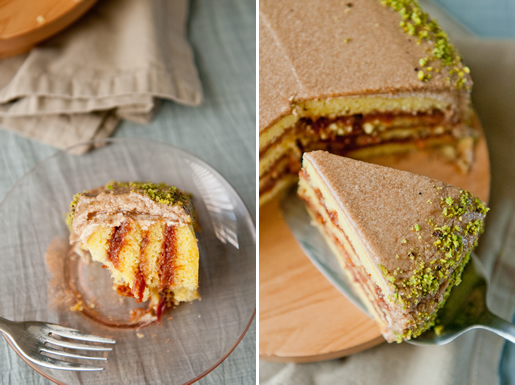
Chai Saffron-Plum Cake
recipe adapted from Cook’s Illustrated
yield: one 6-inch cake
INGREDIENTS
2 large eggs, room temperature
1/4 cup whole milk, room temperature
1 teaspoons pure vanilla extract
1/4 teaspoon saffron threads
3/4 cup, plus 2 tablespoons (3-1/2 ounces) cake flour
3/4 cup (5-1/4 ounces) granulated sugar
1 teaspoon baking powder
1/2 teaspoon fine sea salt
8 tablespoons (4 ounces/1 stick) unsalted butter, cut into 4 pieces, softened
Plum Filling, recipe to follow
Chai Frosting, recipe to follow
1/2 cup pistachios, finely chopped (for garnish, optional)
DIRECTIONS
1. Adjust oven rack to lower-middle position and heat oven to 350℉. Grease two 6-inch cake pans with butter or cooking spray and cover pan bottoms with rounds of parchment paper. Grease parchment rounds, dust cake pans with flour, and tap out excess. Set aside.
2. Beat eggs, milk, vanilla and saffron with fork in small bowl, set aside. Combine flour, sugar, baking powder, and salt in bowl of standing mixer fitted with paddle attachment; mix on lowest speed to blend, about 30 seconds. With mixer running, add butter one piece at a time; mix until butter and flour begin to clump together and look sandy and pebbly, with pieces about the size of peas, 30 to 40 seconds after all butter is added.
3. Add about 2/3 of egg mixture and mix on low speed until incorporated, 5-10 seconds. Increase speed to medium-high and beat until light and fluffy, about 1 minute. Add remaining egg mixture in slow steady stream, about 30 seconds. Stop mixer and thoroughly scrape sides and bottom of bowl. Beat on medium-high until thoroughly combined, about 20-30 seconds.
4. Divide batter equally between prepared cake pans; spread to sides of pan and smooth with small off-set spatula. Bake until cake tops are light golden and skewer inserted in center comes out clean, 20-22 minutes. Cool on rack 10 minutes. Run a knife around pan perimeter to loosen. Invert cake onto large plate, peel off parchment, and re-invert onto lightly greased rack. Cool completely before icing.
Без заголовка
10-08-2015 11:36
Это цитата сообщения Анастасия_Печерская Оригинальное сообщение
Chocolate Mayonnaise Cake
Читать далее...
комментарии: 0
понравилось!
вверх^
к полной версии
Это цитата сообщения Анастасия_Печерская Оригинальное сообщение
Chocolate Mayonnaise Cake
Ingredients
- 3 large eggs
- 1 1/2 cup + 1 tablespoon sugar
- 1 tablespoon vanilla extract
- 1 1/4 cups mayonnaise
- 2 1/4 cups all-purpose flour
- 1/4 teaspoon baking powder
- 1 3/4 teaspoons baking soda
- 3/4 cups + 1 tablespoon dutch-process cocoa powder
- 1/2 teaspoon salt, generous
- 1 1/3 cups hot water
Procedures
-
1
Preheat your oven to 350°F. Grease and flour two 9" cake pans, or a 13" by 9" baking dish.
-
2
Using an electric hand or stand mixer, beat the eggs and sugar in a large bowl on medium-high speed until thick and very light in color; about 6 to 8 minutes. Don't be shy about this—you can't overbeat whole eggs like you can with whites.
Без заголовка
10-08-2015 11:35
комментарии: 0
понравилось!
вверх^
к полной версии
Без заголовка
10-08-2015 11:31
Это цитата сообщения Анастасия_Печерская Оригинальное сообщение
Crochet Hemp Basket
Читать далее...
комментарии: 0
понравилось!
вверх^
к полной версии
Это цитата сообщения Анастасия_Печерская Оригинальное сообщение
Crochet Hemp Basket
Crochet Hemp Basket
Amended on 19 September for better clarificationDifficulty Level: Intermediate, must know how to crochet sc, slst & ch
Finished size: approx. 11″ (D) x 5″ (H)
Gauge: Not essential as long as the hook size matches the medium worsted yarn weight.Materials & Tools:
1. Ace Manila Twisted Rope (75853), 1/4″ x 50′ or equivalent
2. Yarn, Lion Brand, Lion Cotton Yarn/color: Natural (beige) #760-098, or, cotton twine that is able to crochet.
3. Crochet hook: 4mm
4. Stitch marker
5. Quick dry adhesive glue
6. Scissor
7. Clothespin or clip
Abbreviations:
ch = chain
ch sp = chain space, the space between 2 sc that are link by chain stitch, could be 1 ch or 2 ch
sc=single crochet
st = stitch
slst = slip stitch
sk= skip
mm= move markerCrochet Hemp Basket Pattern:
[figure inside {} bracket indicates total stitches on the round]
R1 : ch2, sc8 on second ch from hook, ch1, place marker. {8}
** sc from row 2 onwards means sc around rope, otherwise as per instruction **
R2 : *sc on next st, ch1*, repeat * 8 times, mm. {16}
R3 : *sc on next ch sp, ch2*, repeat* 8 times, mm. {24}
R4 : *sc on next ch sp, ch1, sc on same ch sp, ch1*, repeat* 8 times, mm. {32}
R5 : *sc on next ch sp, ch2, sc on next ch sp, ch1* repeat* 8 times, mm. {40}
R6 : *sc on next ch sp, ch2*, repeat* 16 times, mm. {48}
R7 : *sc on next ch sp, ch1, sc on same ch sp, ch1*, repeat* 16 times, mm. {64}
R8 : *sc on next ch sp, ch2, sc on next ch sp, ch1* repeat* 16 times, mm. {80}
R9 : *sc on next ch sp, ch2*, repeat* 32 times, mm. {96}
R10 : *sc on next ch sp, ch1, sc on same ch sp, ch1, sc on next ch sp, ch1*, repeat* 16 times, mm. {96}
R11 : *sc on next ch sp, ch1, sc on next sp, ch2, sc on next ch sp, ch1*, repeat* 16 times, mm. {112}
R12 : *sc on next ch sp ch2, sc on next ch sp, ch2, sc on next ch sp, ch1*, repeat* 16 times, mm. {128}
R13 : repeat R12.
R14 : *sc on next ch sp, ch2*, repeat* 48 times, mm. {144}
R15 : repeat R14.
R16 : *[sc on next ch sp, ch2] repeat 4 times, [sc on next ch sp, ch1] repeat 2 times, sc on same ch sp, ch 1*, repeat* 8 times, mm. {144}
R17 : *[sc on next ch sp, ch2] repeat 4 times, [sc on next ch sp, ch1] repeat 3 times*, repeat* 8 times, mm. {144}
R18 : *[sc on next ch sp, ch2] repeat 5 times, [sc on next ch sp, ch1] repeat 2 times*, repeat* 8 times, mm. {152}
R19 : repeat R18.
R20 : *[sc on next ch
Без заголовка
10-08-2015 11:30
Это цитата сообщения Анастасия_Печерская Оригинальное сообщение
Без заголовка
комментарии: 0
понравилось!
вверх^
к полной версии
Это цитата сообщения Анастасия_Печерская Оригинальное сообщение
Без заголовка
Создание джинсового пуфика из пластиковых бутылок + Фото
Такой пуфик из обычных пластиковых бутылок сможет стать отличным дополнением любого интерьера. Данные пуфики не скрипят и выдерживают тяжесть! Предлагаем вам ознакомиться с мастер-классом по созданию такого пуфика. В данном случае чехол для пуфика сшили из старых джинсов технике пэчворк (можно использовать любой материал).
Для создания такого пуфика вам потребуется:
- 18-ть пластиковых бутылок на 2 литра
- старые джинсы
- картон и скотч
Процесс создания джинсового пуфика из пластиковых бутылок
При использовании бутылок из-под «Кока-Колы» или «Фанты», размер пуфика будет следующим: сиденье около 30х30 см, боковины - 30х35,5 см.
Нарежьте джинсы на цветочки и треугольники. Размер для треугольников - 27-18-18 см.
Сшейте чехол для пуфика.
Сверху пришейте или приклейте при помощи клея для ткани аппликации из цветочков.
Возьмите одну бутылку и вставьте ее в другую обрезанную.
Все бутылки необходимо собирать вместе и зафиксировать скотчем.
Вырежьте соответствующие куски из картона и обложите ими пуфик, фиксируйте скотчем.
Положите на сидение поролон (можно также добавить еще пару слоев картона)
Отрежьте длинную полоску от джинсов и пришейте ее по краю чехла для пуфика. Проденьте веревку или шнур.
Пуфик из пластиковых бутылок готов!
Автор: Элейн Iorio
http://www.tutdizain.ru/idei/233-sozdanie-dzhinsov...-plastikovyh-butylok-foto.html
Без заголовка
10-08-2015 08:55
Это цитата сообщения Анастасия_Печерская Оригинальное сообщение
Без заголовка
комментарии: 0
понравилось!
вверх^
к полной версии
Это цитата сообщения Анастасия_Печерская Оригинальное сообщение
Без заголовка
Чтобы сделать такой джинсовый коврик своими руками нам потребуется:
- 12-14 пар джинсов;
- ножницы;
- металлический крючок диаметром 9 мм.
Без заголовка
09-08-2015 20:33
Это цитата сообщения Анастасия_Печерская Оригинальное сообщение
fabrics
Читать далее...
комментарии: 0
понравилось!
вверх^
к полной версии
Это цитата сообщения Анастасия_Печерская Оригинальное сообщение
fabrics
This dark wall in an otherwise white apartment makes a huge difference- think how sterile it would look if it was all white.
Tones of blue really warm up this room
Just a few shades darker can make all the difference
The marble mantle piece really stands out
Moody black and gold
The bright pop of neon pink lifts this room also note the rich jewel colours they’ve used for accessories
Без заголовка
09-08-2015 20:11
Это цитата сообщения Анастасия_Печерская Оригинальное сообщение
ЧИЗКЕЙК “ПРЕМЬЕРА”
Читать далее...
комментарии: 0
понравилось!
вверх^
к полной версии
Это цитата сообщения Анастасия_Печерская Оригинальное сообщение
ЧИЗКЕЙК “ПРЕМЬЕРА”
[показать]Я давно мечтала испечь чизкейк - очень уж меня вдохновили рассказы тех, кто пробовал сие чудо. Вот настал и мой черед - чизкейк испечен и даже уже спешно съеден семьей. Вкус у торта действительно очень нежный и шелковистый. Стоит сказать, что я пекла свой первый чиз (отсюда и название) не с полагающимся сливочным сыром “Philadelphia”, а с маскарпоне. В итоге получилось несколько жирнее, чем должно, но все равно очень и очень вкусно. Для следующего эксперимента ждем-с заказанный из Канады “правильный” крим-чиз.
Ингредиенты:
Для основы:
2 стакана молотого печенья (Слодыч, Топленое молоко, Юбилейное)
125 г сливочного масла
0.5 ч.л. корицы
Для крема:
450 г крим-чиза
450 г густой сметаны (я брала 30%)
1 стакан (200 мл) сахара
3 яйца комнатной температуры
пакетик ванилина или 1 ч.л. ванильной эссенции
Печенье мелем в крошку.
Добавляем в него корицу и растопленное сливочное масло, перемешиваем. Выкладываем в разъемную форму диаметром 21-23 см, равномерно распределяем, утрамбовывая, по дну и стенкам (должен получиться бортик высотой около 3-3,5 см). Ставим форму в холодильник.
Сыр комнатной температуры на самой медленной скорости взбиваем миксером, постепенно всыпаем сахар. Взбиваем, пока масса не станет гладкой. Не прекращая взбивания, добавляем по одному яйца, всыпаем ванилин. В последнюю очередь добавляем сметану. Следите за тем, чтобы крем не перебился и не перенасытился воздухом, иначе чизкейк в процессе выпекания может вздуться и при остывании дать трещину.
Выливаем крем на основу, разравниваем (можно леконько тряхонуть форму, чтобы крем сам равномерно распределился). Дно формыплотно оборачиваем двойным слоем фольги - это необходимо для того, чтобы при выпекании на водяной бане вода не попала в форму. Ставимнашу формочку в другую, большую диаметром и наполенную горячей водой (вода должна доходить до середины стенок формы с чизкейком).
Без заголовка
09-08-2015 10:41
Это цитата сообщения Анастасия_Печерская Оригинальное сообщение
Без заголовка
Читать далее...
комментарии: 0
понравилось!
вверх^
к полной версии
Это цитата сообщения Анастасия_Печерская Оригинальное сообщение
Без заголовка
Материалы: 450 (500)500 г тёмно-коричневой пряжи (65% мериносовой шерсти, 20% полиакрила, 8% кашемира, 7% полиэстера, 150 м/50 г); прямые и круговые спицы № 6.
Основной узор: число петель кратно 16 + 1+2 кром. Вязать по схеме, на которой приведены только лиц. р., в изн. р. петли вязать по рисунку, накиды - изн. Начинать с 1 кром. и петель перед раппортом, повторять петли раппорта, заканчивать петлями после раппорта и 1 кром. Повторить 31 раз 1-й и 2-й р. (= 62 р.). затем 1 раз с 3-го по 54-й р., далее повторять 53-й и 54-й р. (= резинка).
Плотность вязания. Основной узор: 18,5 п. и 26 р. = 10 х 10 см, резинка: 18.5 п. и 35.5 р. = 10 х 10 см.
СПИНКА: набрать 83 (99) 115 п. и вязать основным узором. Через 43 см = 112 рядов от начала вязания с обеих сторон закрыть для пройм 4 петли, затем в следующем 2-м ряду 1 х 3 п. и в каждом 4-м ряду 2 х 2 и 1 х 1 п. = 59 (75) 91 п. Через 63.5 см = 184 ряда (65 см = 190 р.) 66,5 см = 196 р. от начала вязания для выреза горловины закрыть средние 25 (27) 29 петель и обе стороны вязать раздельно. Для закругления закрыть с внутреннего края в каждом 2-м р. 1 х 3 и 1 х 2 п. Через 65 см = 190 р. (66.5 см = 1% р.) 68 см = 202 р. от наборного края оставшиеся 12 (19) 26 п. закрыть.
ПЕРЕД: вязать, как спинку, но с более глубоким вырезом горловины. Для этого через 54.5 см = 152 р. (56 см = 158 р.) 57.5 см = 164 р. от начала вязания закрыть средние 17 (19) 21 петли и в каждом 2-м р. 1х3, 1х2,3х1 п., в следующем 4-м р. 1 х 1 п.
РУКАВА: набрать 51 п. и вязать основным узором, прибавляя с обеих сторон для скосов рукава в каждом 30-м р. 3 х 1 п. (в каждом 18-м р. 6 х 1 л.) в каждом 12-м р. 9 х 1 п. = 57 (63) 69 п., включая прибавляемые петли в узор. Через 43 см = 112 р. от наборного края для оката рукава закрыть с обеих сторон 1 п., затем в следующем 4-м р. 1 х 1 п., в каждом 6-м р. 6 х 1 п., в следующем 4-м р. 1 х 1 п. и в каждом 2-м р. 2х1, 1х2, 1х3 и 1х4 п. Через 59 см = 168 р. от наборного края оставшиеся 17 (23) 29 п. закрыть.
СБОРКА: выполнить плечевые швы; для планки по вырезу горловины на круговые спицы набрать 82 (86) 90 п. связать круговыми рядами 3 р. изн. и петли закрыть лиц. Втачать рукава, выполнить боковые швы и швы рукавов.
Выкройка пуловера:
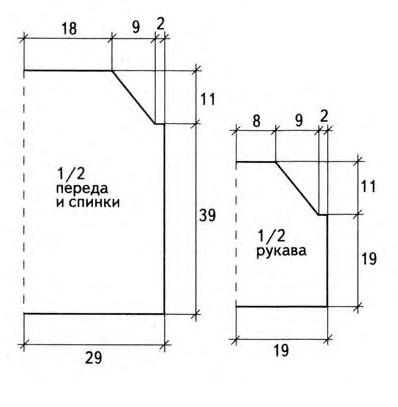
Схема вязания пуловера:
Без заголовка
09-08-2015 10:36
Это цитата сообщения Анастасия_Печерская Оригинальное сообщение
Без заголовка
If you like lemony things, then this recipe is a keeper! These lemon brownies have the perfect balance between lemon and sugar, not too sweet and not too zingy. They are moist, fresh and perfect this time of year. Another great thing about these little sweets is that they are equally delicious they day after. So, if you want to prepare a treat in advance, these squares are suitable for the occasion. They were highly appreciated on my picnic:-)
Lemon Brownies
3/4 cup all-purpose flour
3/4 cup granulated sugar
1/4 tsp salt
1/2 cup butter, softened
2 large eggs
2 1/2 tsp lemon zest
2 tbsp lemon juice
Lemon Glaze
1/2 cup powdered sugar
1 tbsp lemon juice
2 tsp lemon zest
Preheat oven to 180 degrees C (350 degrees F). Grease an 8-by-8-inch (20cm) baking dish.
Zest and juice a lemon, set aside.
Add flour, sugar, salt and softened butter to a bowl and beat until combined.
In a separate bowl, whisk together egg, lemon zest and lemon juice. pour into the flour mixture and beat until smooth and creamy, about 2 minutes.
Pour mixture into the baking dish and bake for about 20-25 minutes, or until just starting to turn golden around edges and a toothpick inserted into the center of the brownies comes out clean. Allow to cool completely before glazing.
When brownies are cooled completely, make the glaze by whisking together all three ingredients. Spread over the brownies with a rubber spatula, cut into bars, and serve! I had some lemon zest left which I sprinkled on top of the glaze.
комментарии: 0
понравилось!
вверх^
к полной версии
Это цитата сообщения Анастасия_Печерская Оригинальное сообщение
Без заголовка
Lemon Brownies

If you like lemony things, then this recipe is a keeper! These lemon brownies have the perfect balance between lemon and sugar, not too sweet and not too zingy. They are moist, fresh and perfect this time of year. Another great thing about these little sweets is that they are equally delicious they day after. So, if you want to prepare a treat in advance, these squares are suitable for the occasion. They were highly appreciated on my picnic:-)
Lemon Brownies
3/4 cup all-purpose flour
3/4 cup granulated sugar
1/4 tsp salt
1/2 cup butter, softened
2 large eggs
2 1/2 tsp lemon zest
2 tbsp lemon juice
Lemon Glaze
1/2 cup powdered sugar
1 tbsp lemon juice
2 tsp lemon zest
Preheat oven to 180 degrees C (350 degrees F). Grease an 8-by-8-inch (20cm) baking dish.
Zest and juice a lemon, set aside.
Add flour, sugar, salt and softened butter to a bowl and beat until combined.
In a separate bowl, whisk together egg, lemon zest and lemon juice. pour into the flour mixture and beat until smooth and creamy, about 2 minutes.
Pour mixture into the baking dish and bake for about 20-25 minutes, or until just starting to turn golden around edges and a toothpick inserted into the center of the brownies comes out clean. Allow to cool completely before glazing.
When brownies are cooled completely, make the glaze by whisking together all three ingredients. Spread over the brownies with a rubber spatula, cut into bars, and serve! I had some lemon zest left which I sprinkled on top of the glaze.