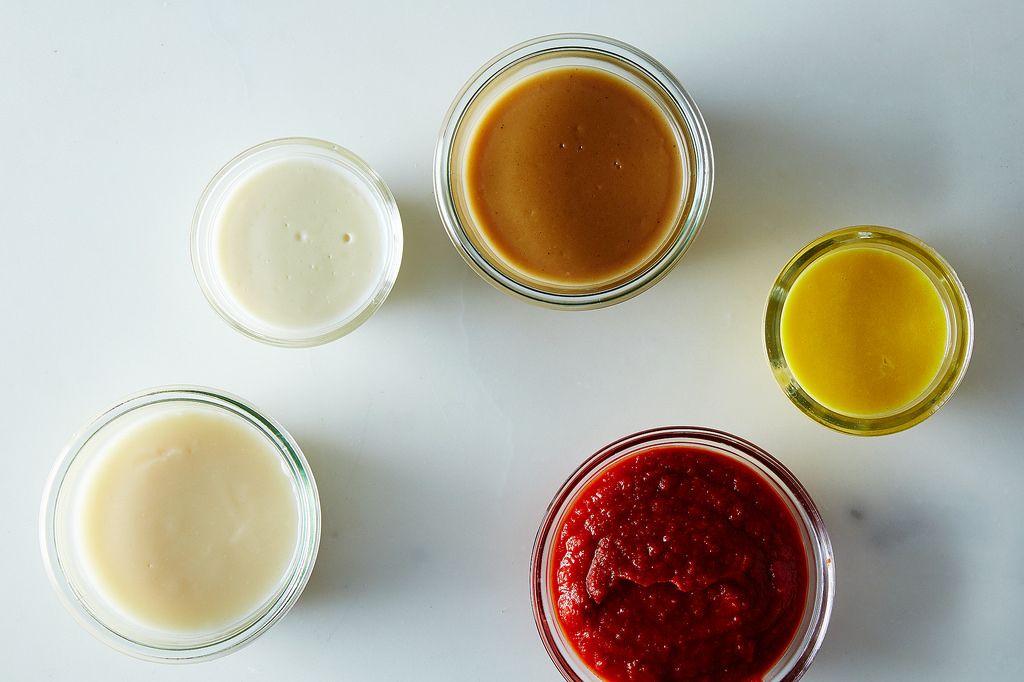
The five French mother sauces are: Béchamel, Velouté, Espagnole, Hollandaise, and Tomato. Read on to learn how to make each one.
In the 19th century, Marie-Antoine Carême anointed Béchamel, Velouté, Espagnole, and tomato sauce as the building blocks for all other sauces in his work L'Art de la Cuisine Française au Dix-Neuvième Siecle. Later on, Hollandaise got added to the family. Since then, many people consider others sauces—sweet and savory from all around the world—as unofficial extended relatives of these five sauces.
 /images.food52.com/DNz3gkptJZ9hwkUfh4BWeRy8P-Q=/530x530/4a31b6d4-b567-4509-aaae-16558e7f295c--2018-0802_ekobo_recycled-bamboo-colander-and-pour-bowl-set_1x1_jenny-huang_084.jpg" target="_blank">https://images.food52.com/DNz3gkptJZ9hwkUfh4BWeRy8...wl-set_1x1_jenny-huang_084.jpg
 /images.food52.com/6JRniwKsk9SIuoPFZ0x9scUMHM8=/530x530/a4642ef1-4140-4e06-ac84-cb2a260f5f4f--2016-0426_farmhouse-pottery_pantry-bowls_family_silo_rocky-luten_007.jpg" target="_blank">https://images.food52.com/6JRniwKsk9SIuoPFZ0x9scUM...amily_silo_rocky-luten_007.jpg
 /images.food52.com/NeBJZOeY7hdIM3VNA9Hl8Ei6aA4=/530x530/ec458445-9fbb-4b2b-9b8f-9fb08cde2419--2015-0712_sir-madam_bakers-dozen-wooden-spoons_family_rocky-luten_009.jpg" target="_blank">https://images.food52.com/NeBJZOeY7hdIM3VNA9Hl8Ei6...ons_family_rocky-luten_009.jpg
Though some will argue for the importance of chimichurri and chocolate sauce, it's a knowledge of the five French mother sauces that will prove essential. They may seem intimidating, but mother sauces will nurture your kitchen confidence. With a few simple ingredients (mostly flour, butter, and a liquid) and a couple easy techniques, these five sauces, all equally important to your cooking repertoire, serve as the starting point for a slew of other classics.
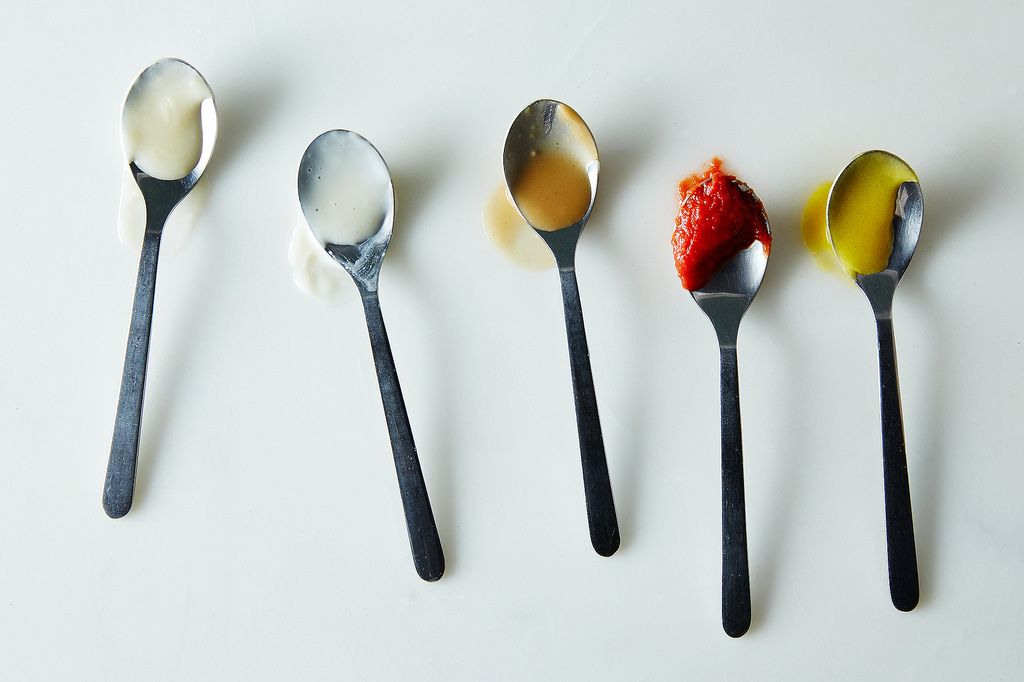
Once you get the feel for these sauces, you’ll be able to whisk them up whenever you want to get fancy. And soon enough, you'll feel confident enough to break tradition and take that Mother Sauce somewhere she’s never gone before. Here's what you need to know about the building blocks of sauces:
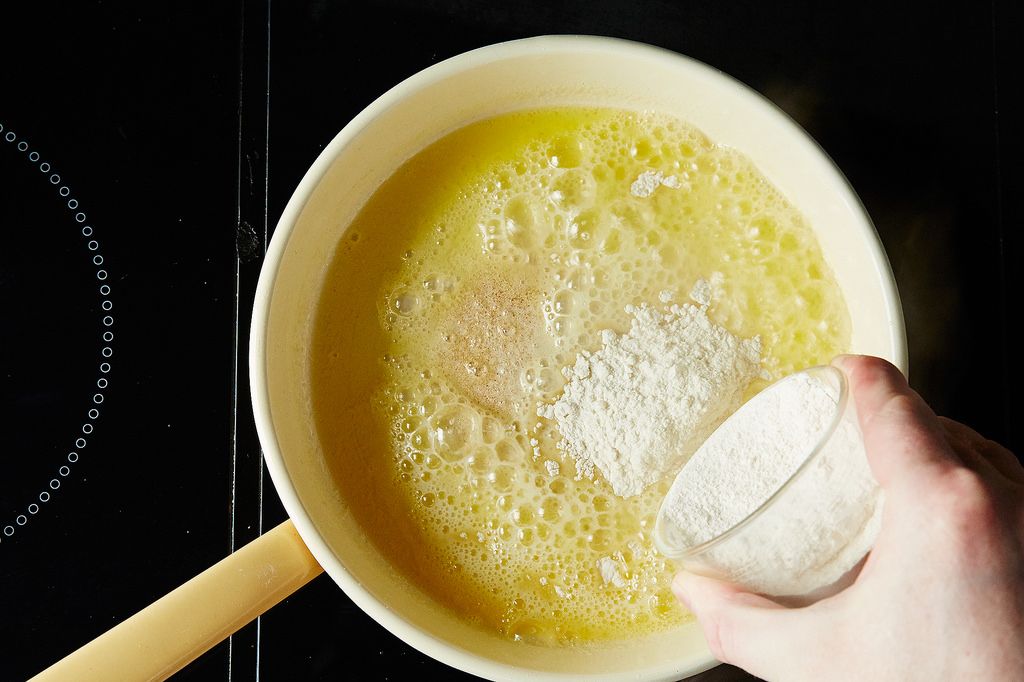
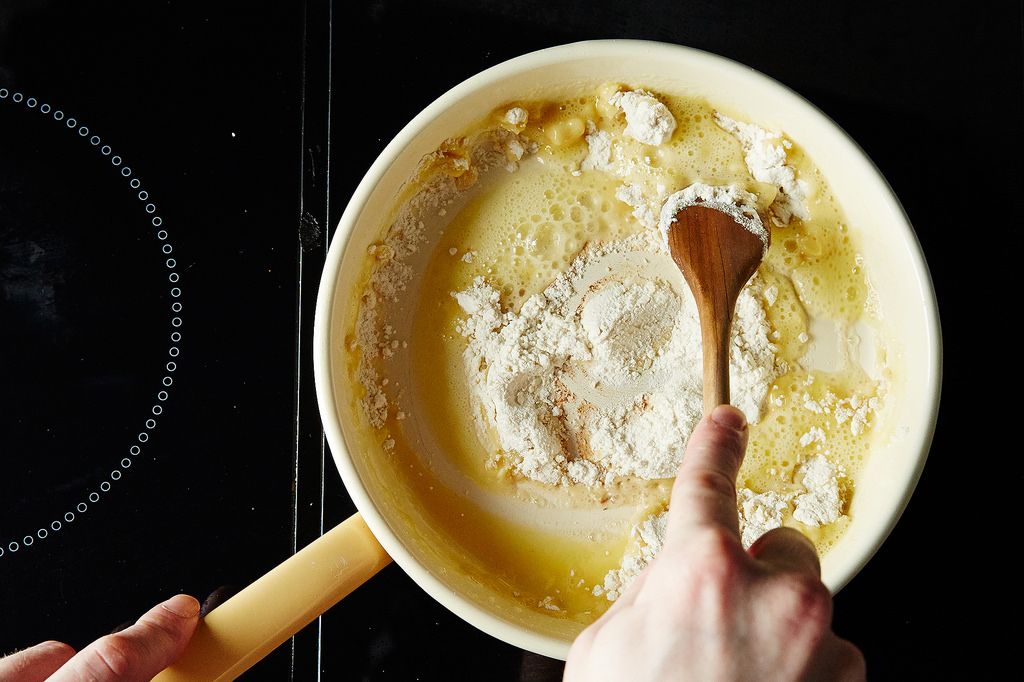
Beyond flavor, the most important element of any sauce is its ability to smother and cling to whatever it gets drizzled, dolloped, or poured on. That means making the sauce thick and stable, which is accomplished with three techniques: a roux, an emulsifier, and a reduction (liquid that's slowly cooked down until thick).
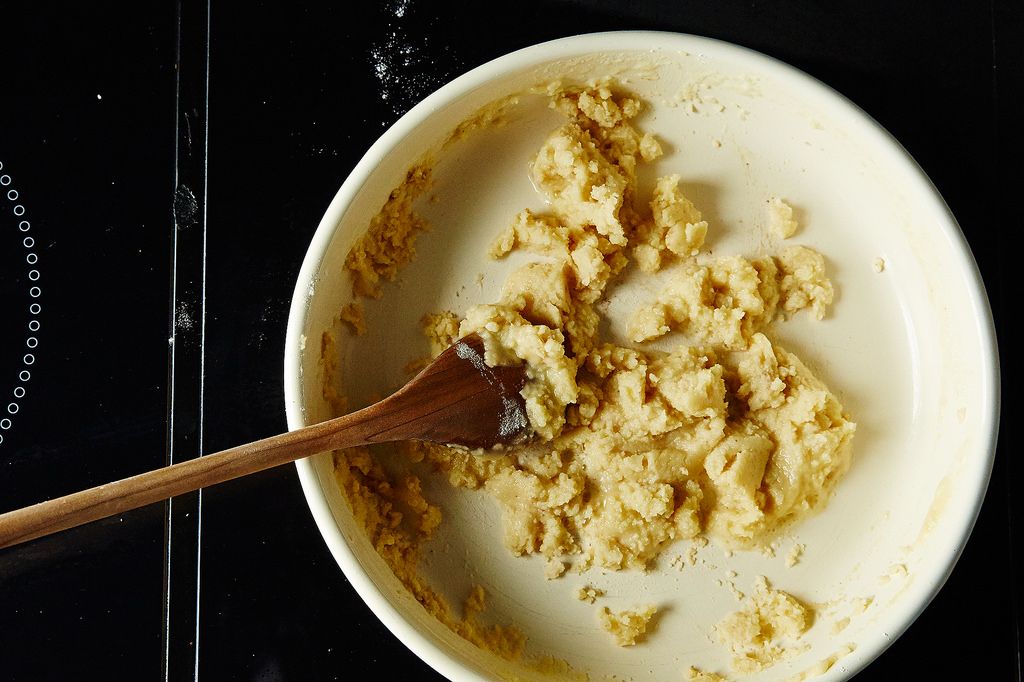
Four out of the five mother sauces start with a roux. Roux is a fancy name for flour mixed with fat. Equal parts butter and flour get cooked over medium heat, then a liquid gets added. This mixture then boils, thickens (reduces), and becomes the base of your sauce. Just note, if you’re making a white sauce—like Béchamel or Velouté—do not brown the butter, as it will darken the finished product. The last mother sauce is a product of emulsification, which I'll explain below.
More: Is it your first time making a roux? Here's how to do it, step by step.
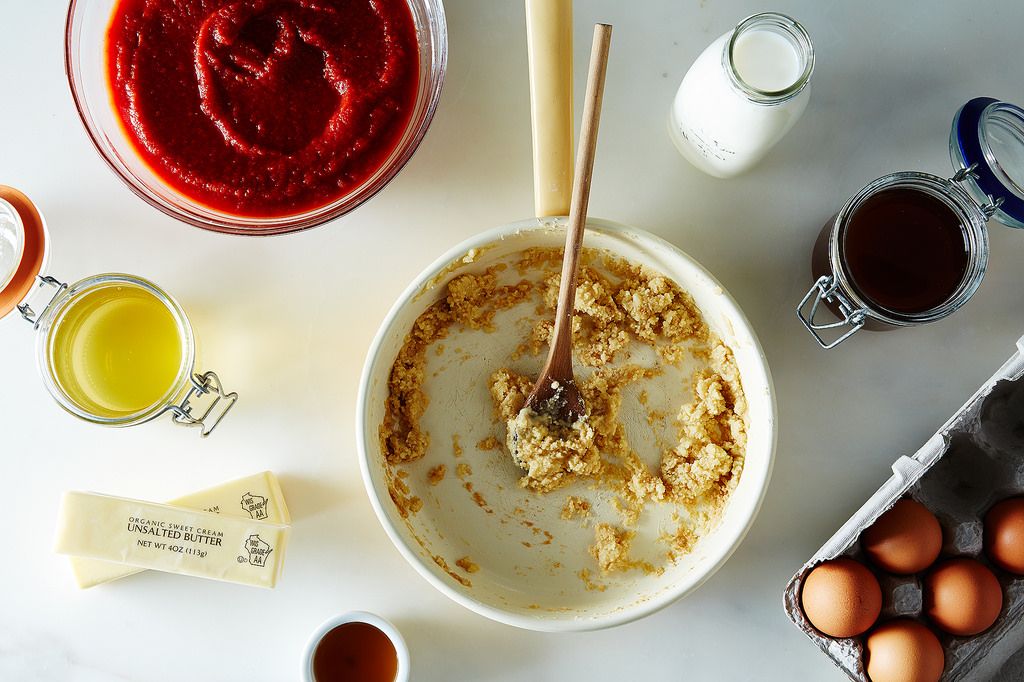
Here are the basic formulas of the five mother sauces:
Béchamel: Roux + Dairy (traditionally milk or cream)
Velouté: Roux + White Stock (traditionally chicken, but also vegetable or fish)
Espagnole: Roux + Brown Stock (traditionally veal or beef)
Tomato: Roux + Tomatoes (or, go the Italian route by skipping the roux and simply reducing tomatoes over medium-low heat until thick)
Hollandaise: Egg Yolks + Clarified Melted Butter + Acid (like lemon juice or white wine)
Now that you understand the basics, let’s talk about each mother sauce in more detail (and what to pair them with):
1. Béchamel
If you’ve eaten homemade macaroni and cheese, a classic croque madame, or lasagna, chances are you’ve experienced the rich creaminess of Béchamel. It can be made in its most basic form by just combining roux and cream, or it can be mixed with other ingredients to create new sauces: Mornay is made by adding Gruyère or Parmesan, and mustard sauce is made by adding—you guessed it—mustard.
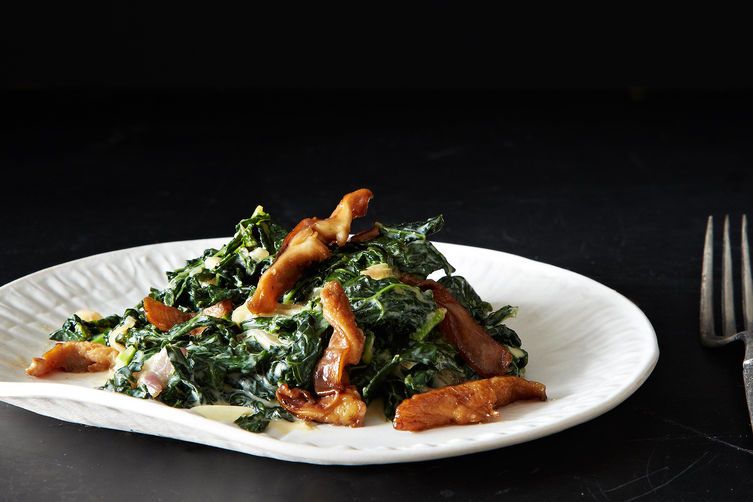
Here are some other ways to use Béchamel:
- Swap in Béchamel for some of the cream in a gratin.
- Pour it over polenta cakes and broil for a few minutes until bubbly and golden brown.
Once you've mastered basic Béchamel, here's how to get more creative: Spike a classic Béchamel with soy and miso for a new take on Trent Pierce’s Miso-Creamed Kale or Nobu’s Fried Asparagus.
2. Velouté
Like good old Béchamel, Velouté begins with a white roux, but then it gets mixed with white stock made from fish, chicken, or veal. Technically not a finished sauce, it's used as a flavorful starting point for gravies, mushroom sauces (hello chicken pot pie), and shrimp sauce (hello shrimp bisque).
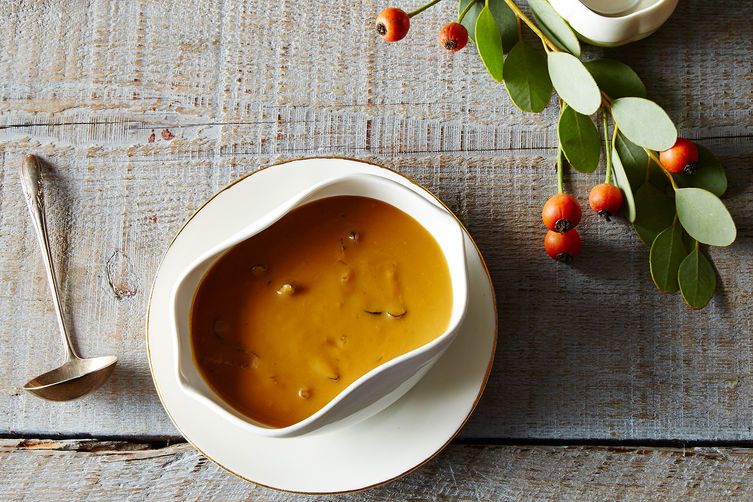
Here are some other ways to use Velouté:
- Whip up Velouté with veal stock, then use it to make Swedish Meatballs.
- Smother biscuits with an herby gravy for breakfast.
Once you've mastered basic Velouté, here's how to get more creative: Make velouté vegetarian with a mushroom-based stock for this Vegetarian Mushroom Thyme Gravy.
3. Espagnole
Although some think blond roux have more fun, Espagnole proves that dark roux know how to party, too. Also known as brown sauce, Espagnole begins with a mirepoix (carrots, celery, and onions), beef stock, and deglazed brown bits (fond) from beef bones. From there, tomato paste and spices may be added.
To make a demi-glace, a rich French brown sauce, combine the Espagnole with more beef stock; to create Bordelaise, a red wine sauce that pairs well with steak and mushrooms, mix the demi-glace with red wine and herbs. Serve this with filet mignon for an excellent dinner.
Here are some other ways to use