One of the most annoying things in the work of a nutritionist is the need to destroy some established myths that guided people in the diet before calling a specialist. Not that they are bad for the body, but there is no benefit from them, and it's even possible that it's just these ingredients that your menu is missing. In any case, nobody wants to be misinformed, and so we put together and debunked the five most popular myths about what gets to us in a plate.
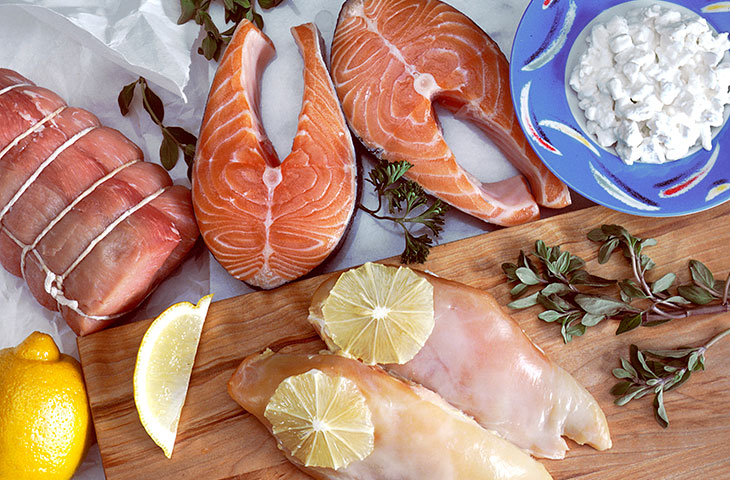
- Foods rich in protein, harmful to the kidneys -
Origin: this conclusion was reached by a group of skeptical people familiar with the 1983 study, which stated that a large amount of protein in food forces the kidneys to filter more blood per minute than normal.
In fact: science has never managed to link the periodic work of the kidneys under stress with direct negative influence, even if the value of the protein consumed reaches extreme values, for example, during an intensive set of muscle mass by athletes.
- Sweet potatoes are more useful than simple -
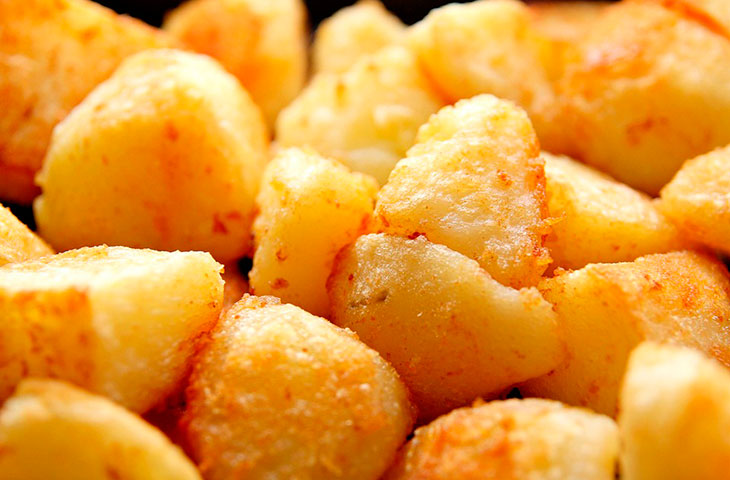
Origin: Due to the fact that most obese Americans consume white potatoes, supporters of sweet root crops have received extra proof of the correctness of their choice. True, the first variety is used mainly in the form of potato chips or fries, and the second - in boiled or baked, which better preserves nutrients.
In fact: the potato of these two species does have a different food composition, but the advantages of one are compensated by the merits of the other. So, for example, sweet potato contains a lot of fiber and vitamin A, and white - minerals like iron, magnesium and potassium. And the difference in the glycemic index is compensated by the fact that whole-cooked potatoes are also usually not eaten without additives: sour cream, cheese, butter and so on.
- Red meat causes cancer -
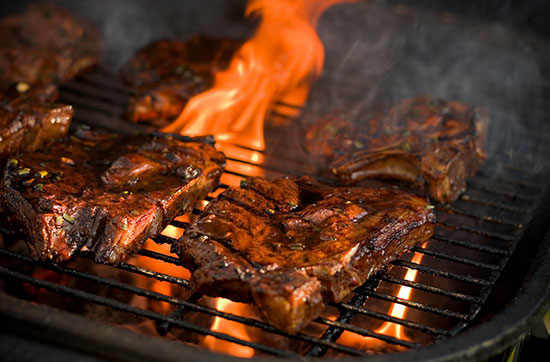
Origin: in 1986, Japanese researchers discovered the development of cancer tumors in rats fed with heterocyclic amines, compounds formed in meat under high temperatures. This provoked panic and many decided that it was harmful to eat all the meat in general, and not just what was overcooked.
In fact: there are no conclusive studies that directly indicate the existence of a relationship between the consumption of red meat and the occurrence of cancer. And we knew that the parts of the steak that were burned on the grill were better cut off, and without any cancer threat, because they are simply not tasty.
- High fructose sugar syrup is worse than sugar -
Origin: in 1968, in the same experimental rats, whose diet was supplemented with a large amount of fructose, scientists found a high level of fat on the walls of blood vessels. The same study, apparently, formed the basis of the propaganda publication of the University of California in 2002, where high-fructose sugar syrup (HFCS) was called one of the reasons for the rapid obesity of the nation.
In fact: HFCS and table sugar contain the same amount of fructose, and even their effect on the body under the supervision of scientists did not differ either fundamentally or in detail. The conclusion suggests itself - it does not matter what kind of sweet you abuse, in any case, you are waiting for the growth of the fat layer.
- Salt leads to an increase in blood pressure -
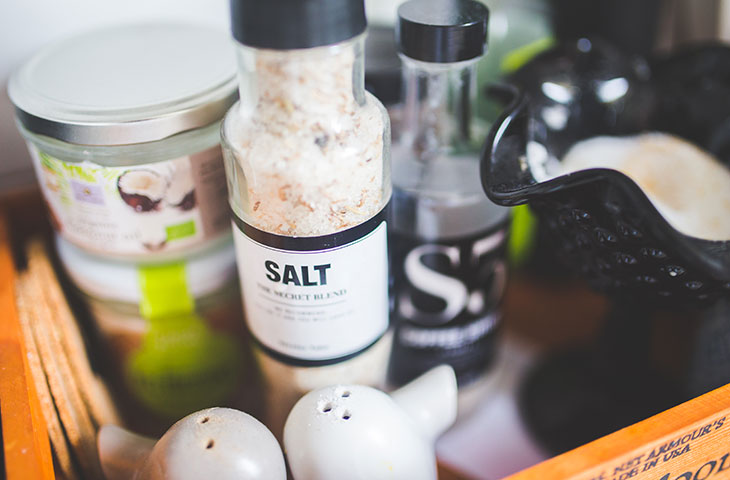
Origin: in the 1940s, Dr. Walter Kempner, MD, became famous for successfully using the salt-free diet in the treatment of people with high blood pressure. More recent studies have confirmed that reducing salt intake helps reduce hypertension, but people, as always, have drawn incorrect conclusions from this.
In fact: based on many studies physicians argue that people with normal arterial pressure have no reason to limit the amount of sodium consumed. But some hypertensives can really be "salt-sensitive", but this does not mean that you need to immediately remove the salt from your table.
The fact is that the balance of sodium and potassium in the body plays a big role in increased blood pressure, which means that hypertensives simply need to eat more potassium-rich vegetables and fruits (spinach, broccoli, bananas, legumes, etc.) so as not to exclude salt from of their diet.